
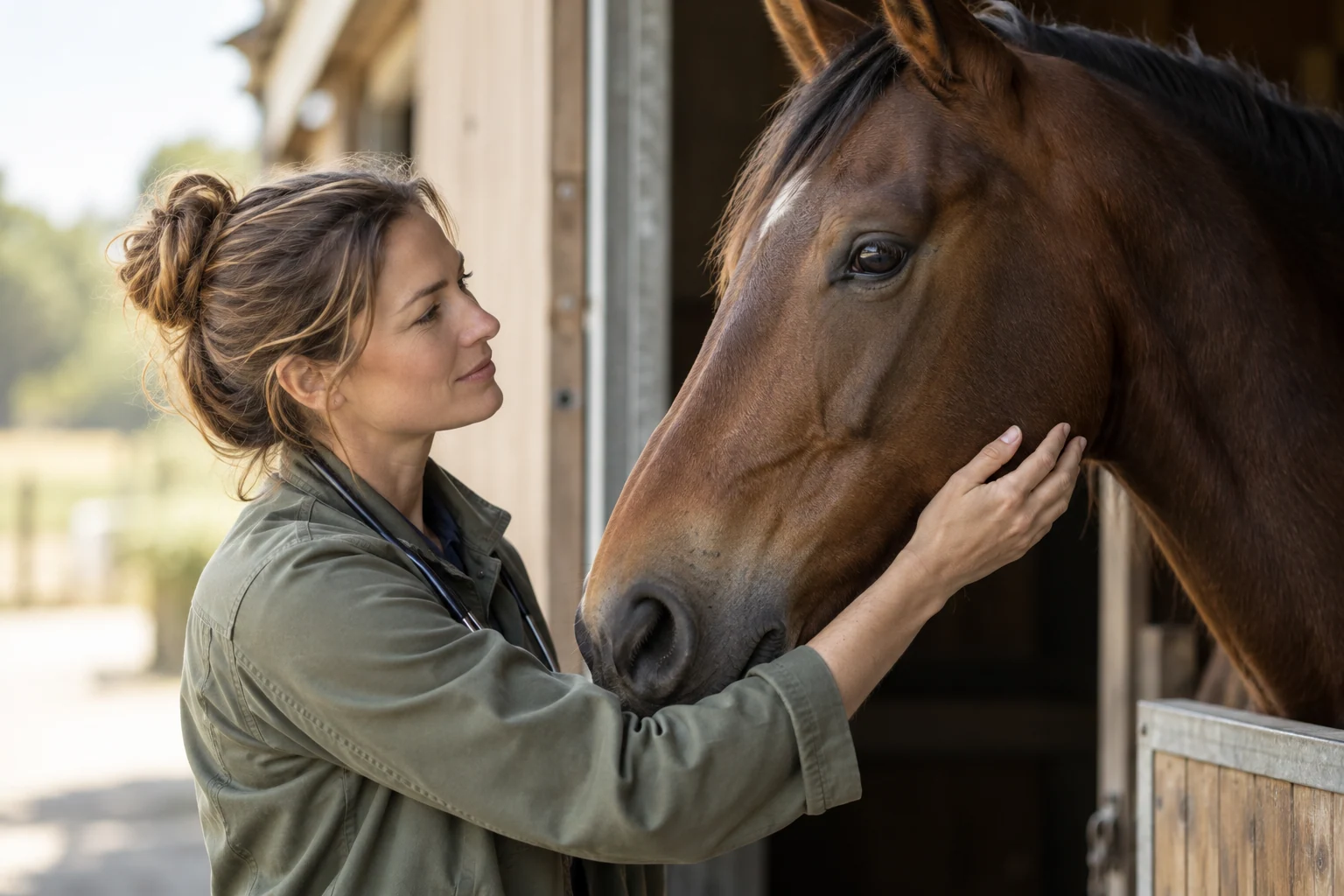
Identify the exact product
A familiar name or similar pack does not establish that two medicines have the same concentration, formulation or instructions. Check the product name, strength, presentation, expiry and locally authorised leaflet. Confirm that the prescribed species and administration route match the animal and product.
Make the dosage instruction complete
A usable prescription specifies the amount, route, frequency and duration, alongside any preparation or administration instructions. The veterinarian needs the animal’s species, current weight, clinical findings and relevant history. For groups, identification and treatment records must remain traceable.

- Confirm the exact formulation and concentration.
- Record the amount, route, frequency and treatment duration.
- Clarify any missed-dose instructions with the prescribing veterinarian.
- Confirm food-chain restrictions before treating food-producing animals.
Give antimicrobials a clear clinical purpose
Treatment decisions should follow veterinary assessment. Antimicrobials do not replace adequate housing, nutrition, hygiene or disease prevention. Follow the prescribed plan and arrange reassessment when animals do not improve, rather than switching or extending treatment independently.
Keep the food chain in view
Records for food-producing animals should identify the animal or group, product, date, amount administered, route and person administering treatment. Record the applicable withdrawal interval and its completion date. Withdrawal periods depend on the exact product, species, use and local authorisation; they cannot be transferred from a similar medicine.
Review the outcome
Record changes in appetite, behaviour and clinical signs, and report unexpected reactions promptly. Keep packaging, batch details and treatment notes available so the veterinarian can assess what happened and plan the next step.